
Repose Archive is a creative direction journal documenting processes and projects across art, design, architecture, and hospitality. As designers, we interview creative minds and explore purposeful creation.
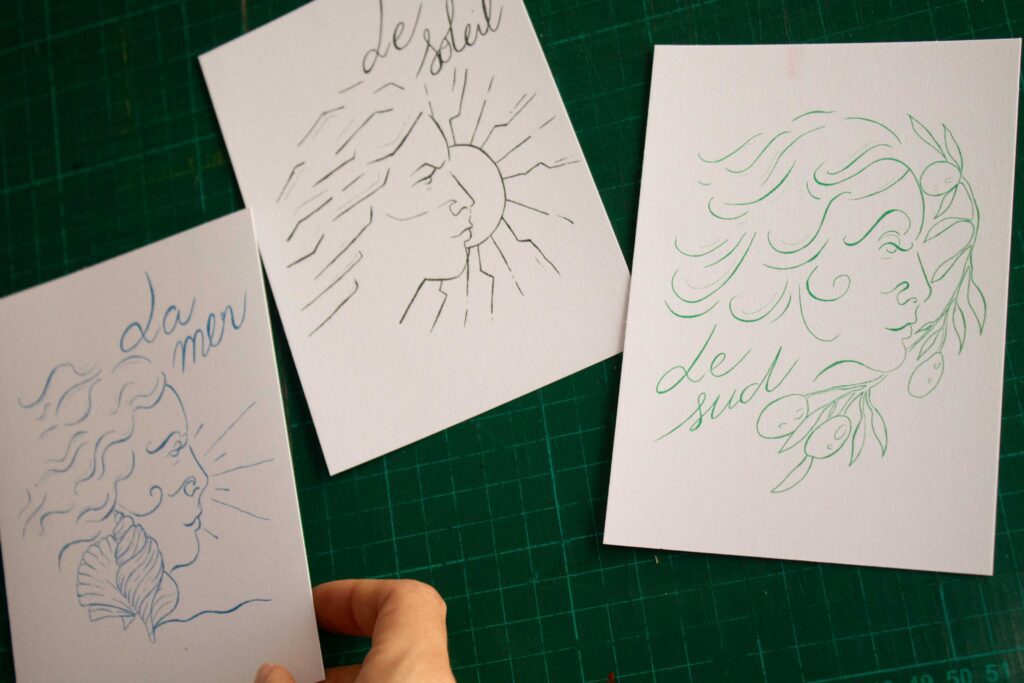
This time we interviewed Maison Riso: an artisan printing house, founded in Paris in 2017 and now based in Nice, France, they specialize in risography and custom editions with a focus on art-printing and environmental responsibility.
Repose: How would you describe what you do?
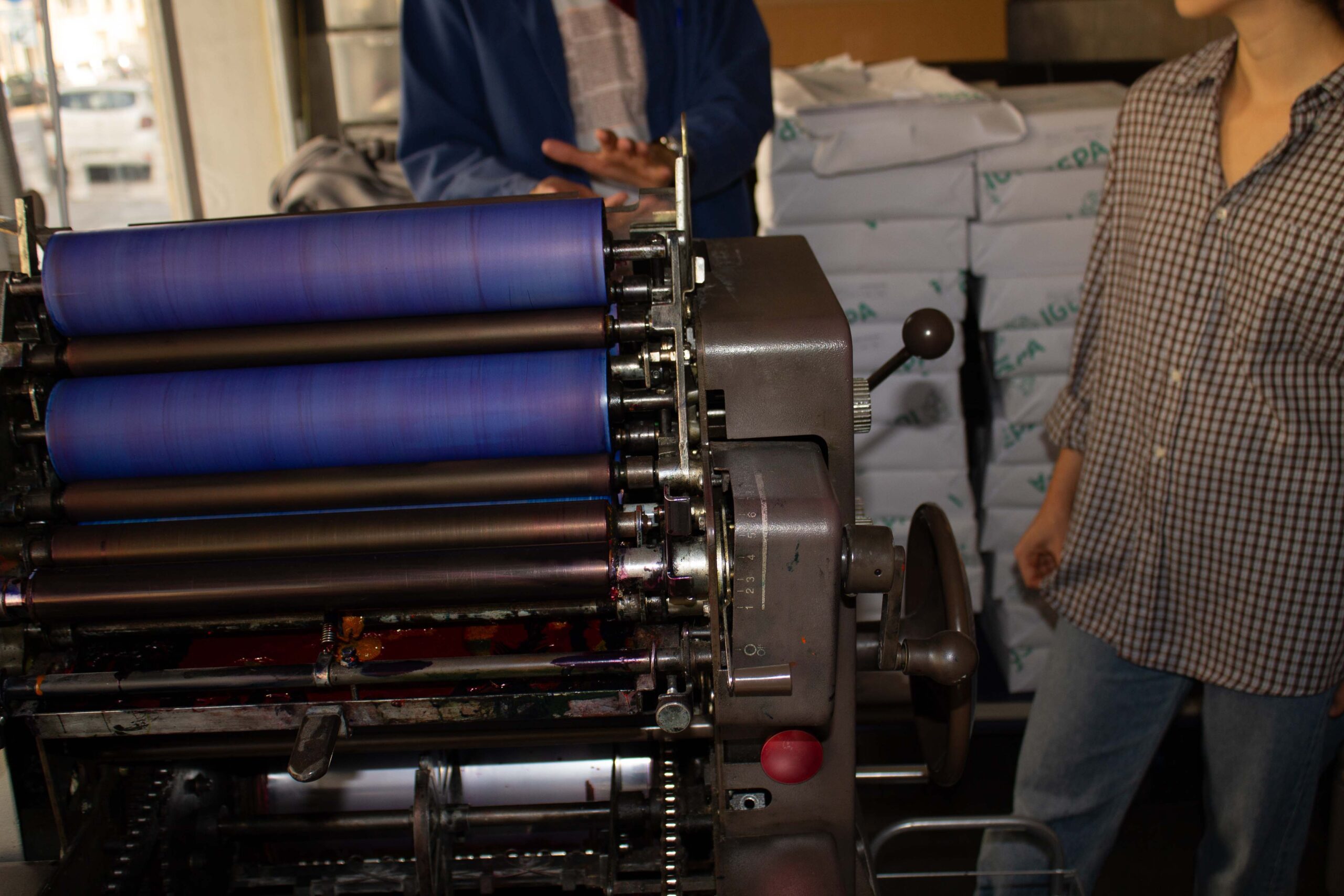
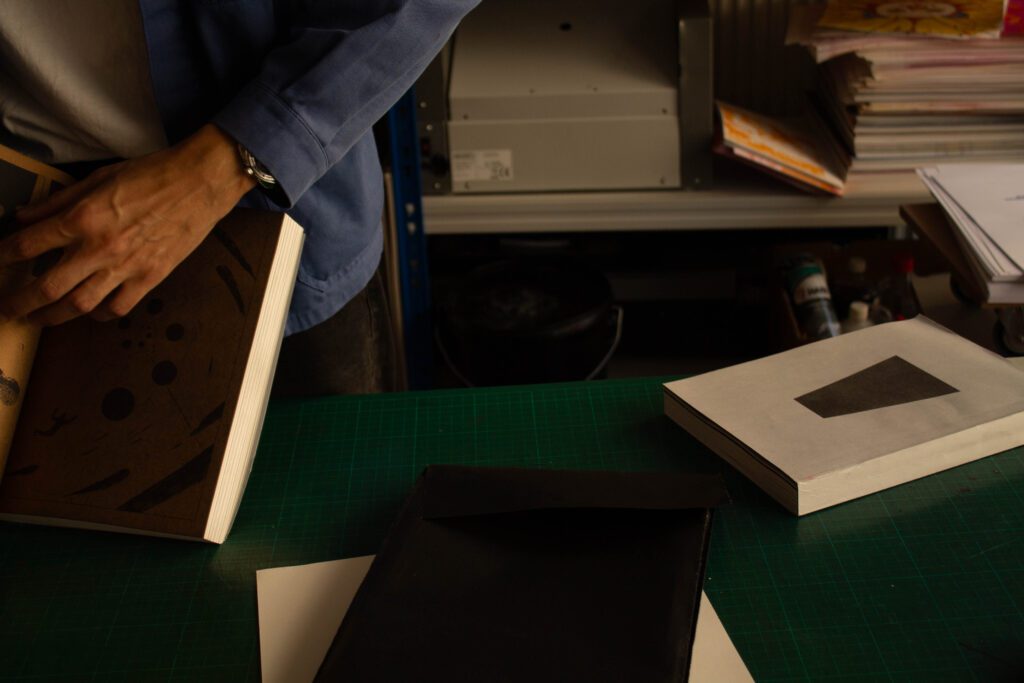
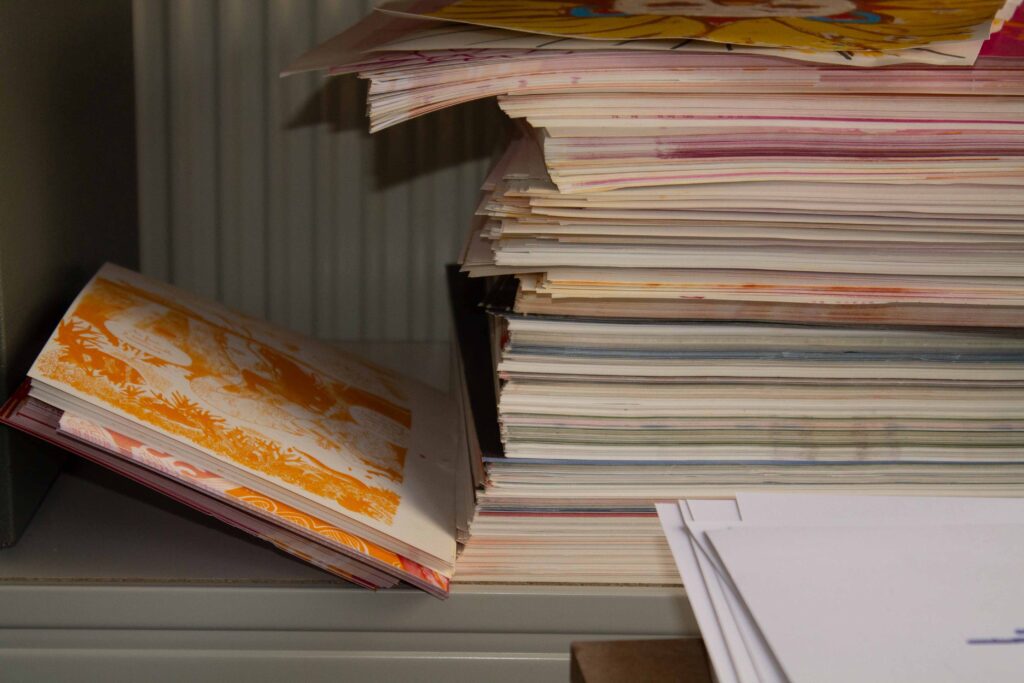
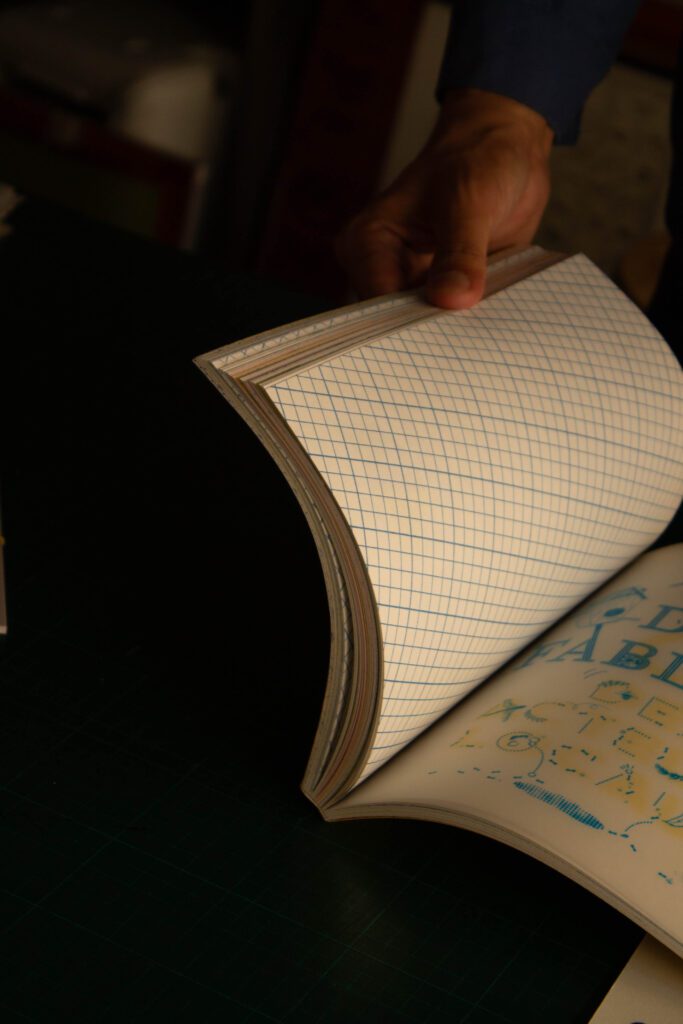
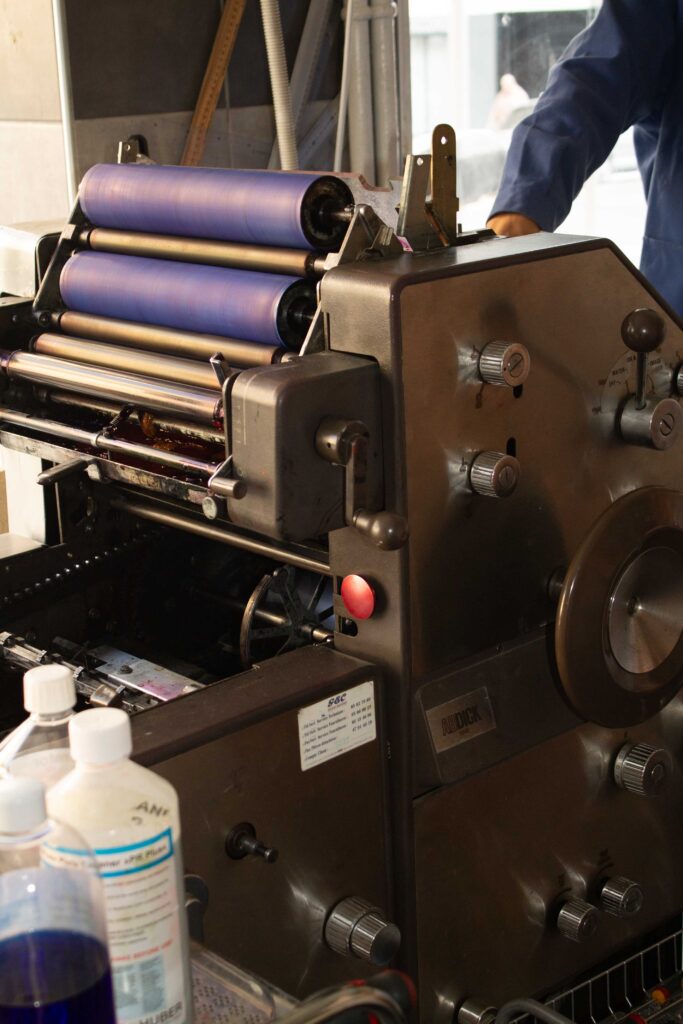
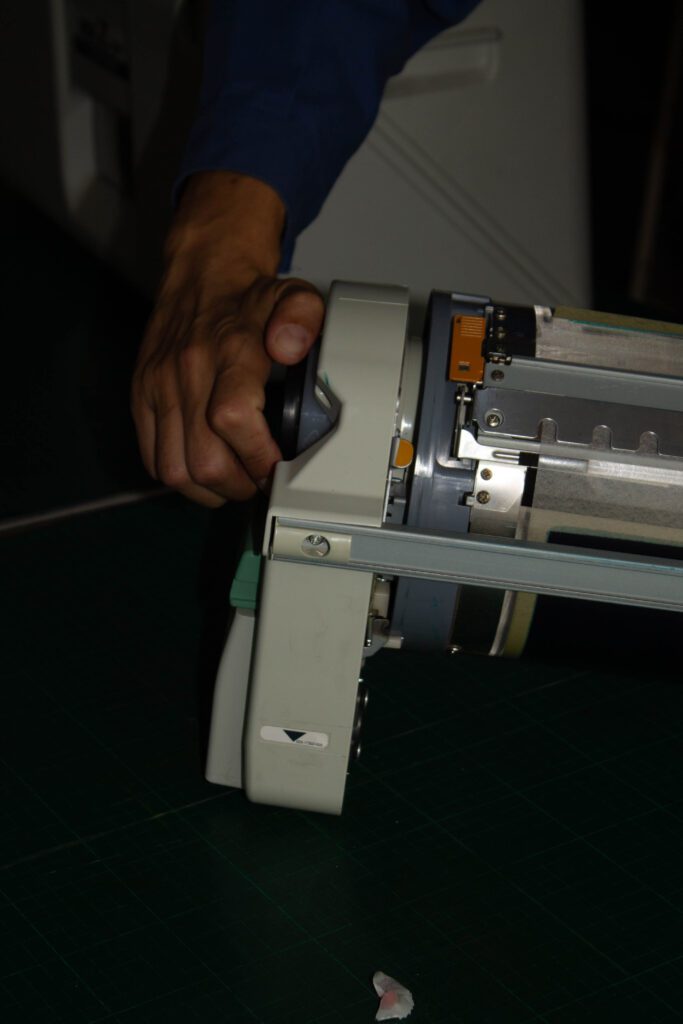
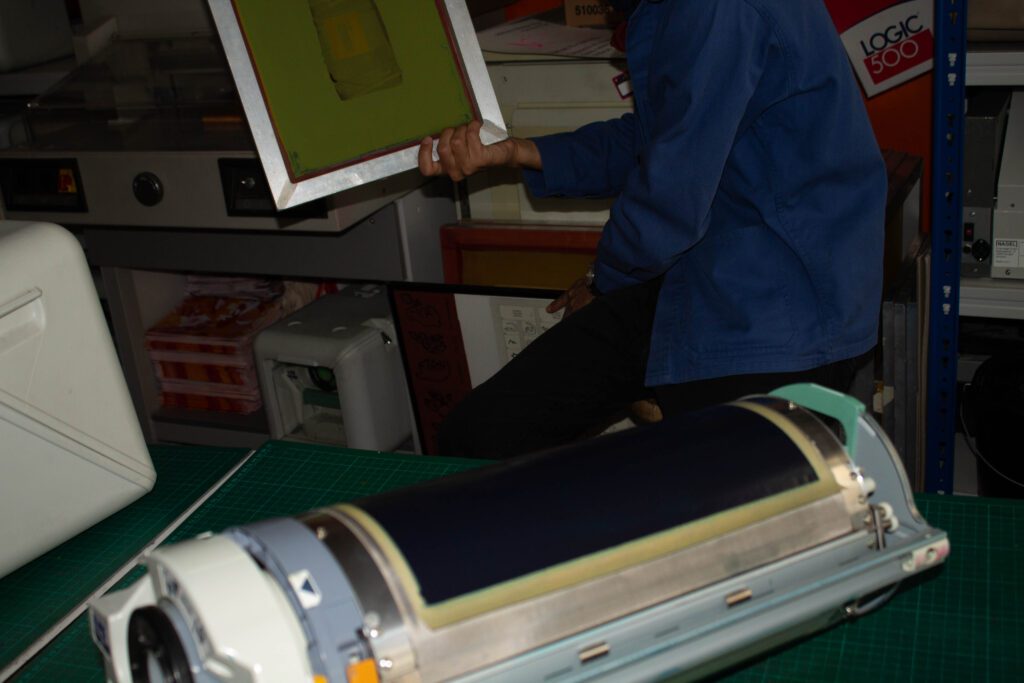
Thibault: What I do is very similar to craftsmanship. But what I offer is an approach to printing, an approach to images, and above all an understanding of the project of an artist, publisher or photographer. I often say that I offer printed objects, because it will always be publishing, always paper. So yes, I have an art printing company, but we are very close to craftsmanship, with expertise and machines that are sometimes old, no longer exist, or whose brands have disappeared. We maintain them ourselves, we use them. It’s a very special craft, and that’s also what we sell. Because today, printing is easy, but making beautiful editions is an art.
Repose: What led you to start this project?
Thibault: It was in 2017, so not that long ago. There was already this movement back to basics, to manual labor. I came from the world of art and photography, and I felt that the world of printing had become very closely linked to digital technology. We look at everything on a screen, but we no longer really know what happens between the screen and the printed object. I saw an impoverishment of the culture of printing, of the relationship to the printed image. I wanted to recapture that moment of love at first sight when you discover a print, a texture, an ink. I started out with risography, hence the name Maison RISO.
What interested me was using a machine that wasn’t originally designed for art printing to do something creative. A kind of piracy, a form of graphic hacking. Then I moved on to other techniques, but that’s where it started: offering a different, alternative printing experience.
Repose: What difficulties did you encounter when launching the project or trying to make a living from your creativity?
Thibault: At first, I bought a used machine with my savings, a few thousand euros. I set it up in my room in Paris. That was it, really: two colors, some paper, and I said to myself, “If it doesn’t work in six months, I’ll sell everything and quit.” But I saw young graphic designers starting to take an interest in it. And since there was very little documentation at the time, I learned everything on my own. When the machine broke down, I repaired it myself. It was complicated, especially with an old machine that wasn’t Mac-compatible… lots of technical problems to solve.
But it worked. And little by little, I bought other colors, other machines, and it never stopped.
Then I said to myself: I want to go back to Nice, because my room in Paris was small. So I rented a space, telling myself: “If it doesn’t work in a year, I’ll stop.” And since then, there have been more and more projects.
Repose: Now that your project has become a reality and is up and running, do you think it still “embodies” the essence of the original idea?
Thibault: I think it has changed very little. The principles have remained the same: autonomy, freedom, knowledge of the machines. Today, there are several of us working here, Véronique, Chloé, Léo, each with their own specialty. But I still hold on to the idea that I have to know how to do everything. It’s a choice: deciding who I work with, how, and at what pace. I can also choose my clients. That’s my way of balancing things and keeping my freedom.
Repose: What would you say to the person you were at the beginning of the project?
Thibault: Keep going! Because at the beginning, I wasn’t sure at all. My training has nothing to do with it; I have a PhD in communication, not graphic design. But what I love is printing, in the simplest sense: an old machine, paper, ink. That’s all. And it makes me happy.
Repose: Why did you choose to be independent?
Thibault: I had worked in Paris in big companies, then in photography, but I needed independence, to experiment on my own. Buying my first machine was a gamble, but also a liberation. And today, what I still love is being able to get up when I want, work at my own pace, on the projects I choose.
Repose: What is a typical day like at the studio?
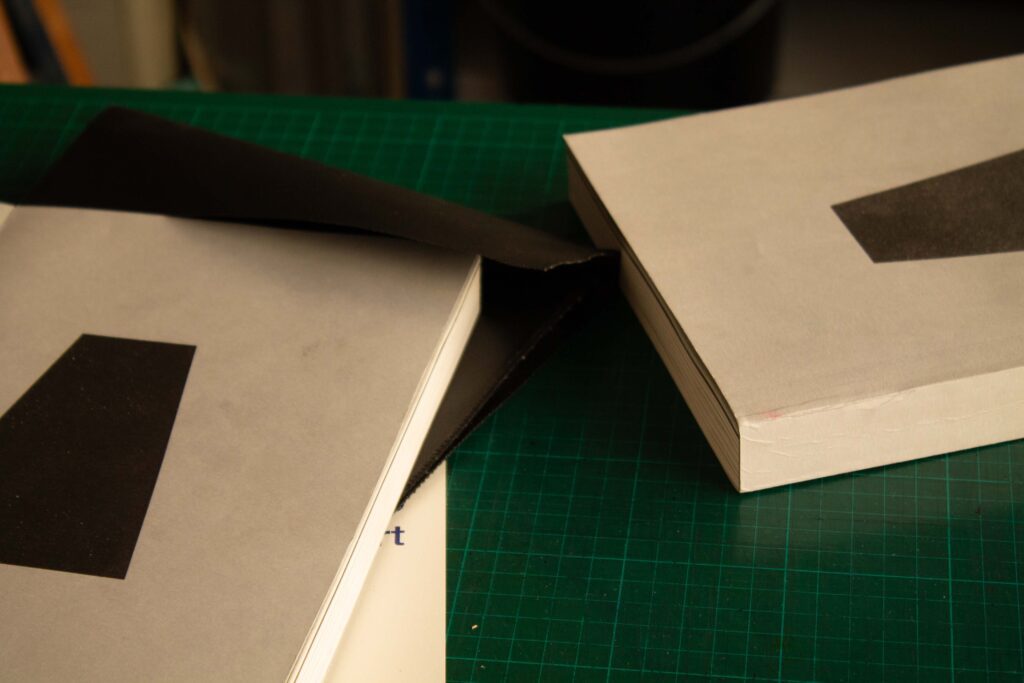
Thibault: It depends on the projects, we plan the day according to the printing jobs that need to be done. On a big publishing project, for example, we might work 15 hours a day for several days. We get up early and work pretty hard here; it’s very intense, but it’s really cool because you feel like you can do anything. The best part is seeing that we can produce everything without having to send any of it to another printer. I can finish, trim, and produce 3,000 copies from start to finish without outside help. That’s the most rewarding part of the job.
Repose: Do you have any plans for the future?
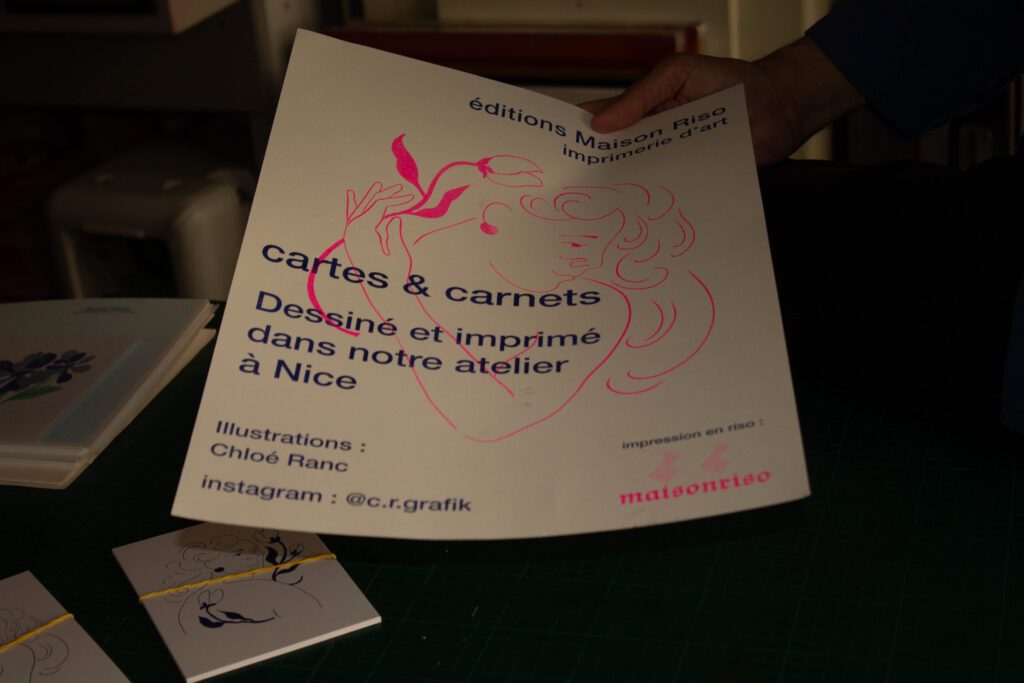
Thibault: Well, I have lots of plans for the future. Right now, I’m mainly working on mastering the technical aspects of our old offset machine. Other than that, one project we haven’t had time to do yet would be to launch a magazine. We already do publications, cards, posters, small art editions, but I’d like to create a multi-technique magazine. It would be nice to get it done one day.
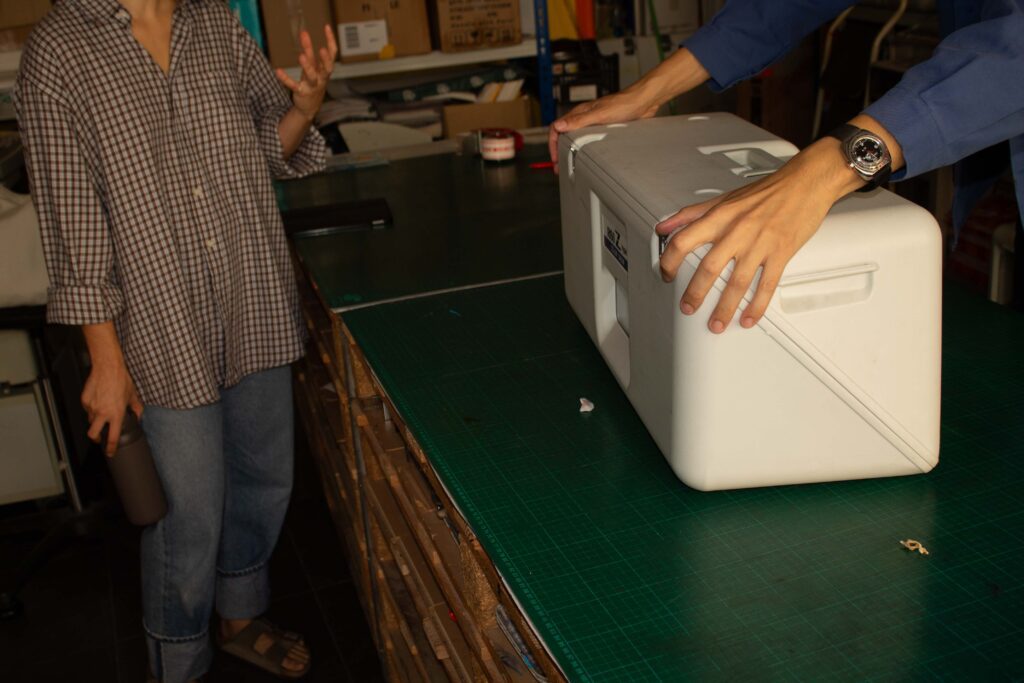
Thank you Thibault and Chloé for your time, your very warm welcome, and for sharing your passion with us.
Repose Archive is a creative direction journal documenting processes and projects across art, design, architecture, and hospitality. As designers, we interview creative minds and explore purposeful creation.