
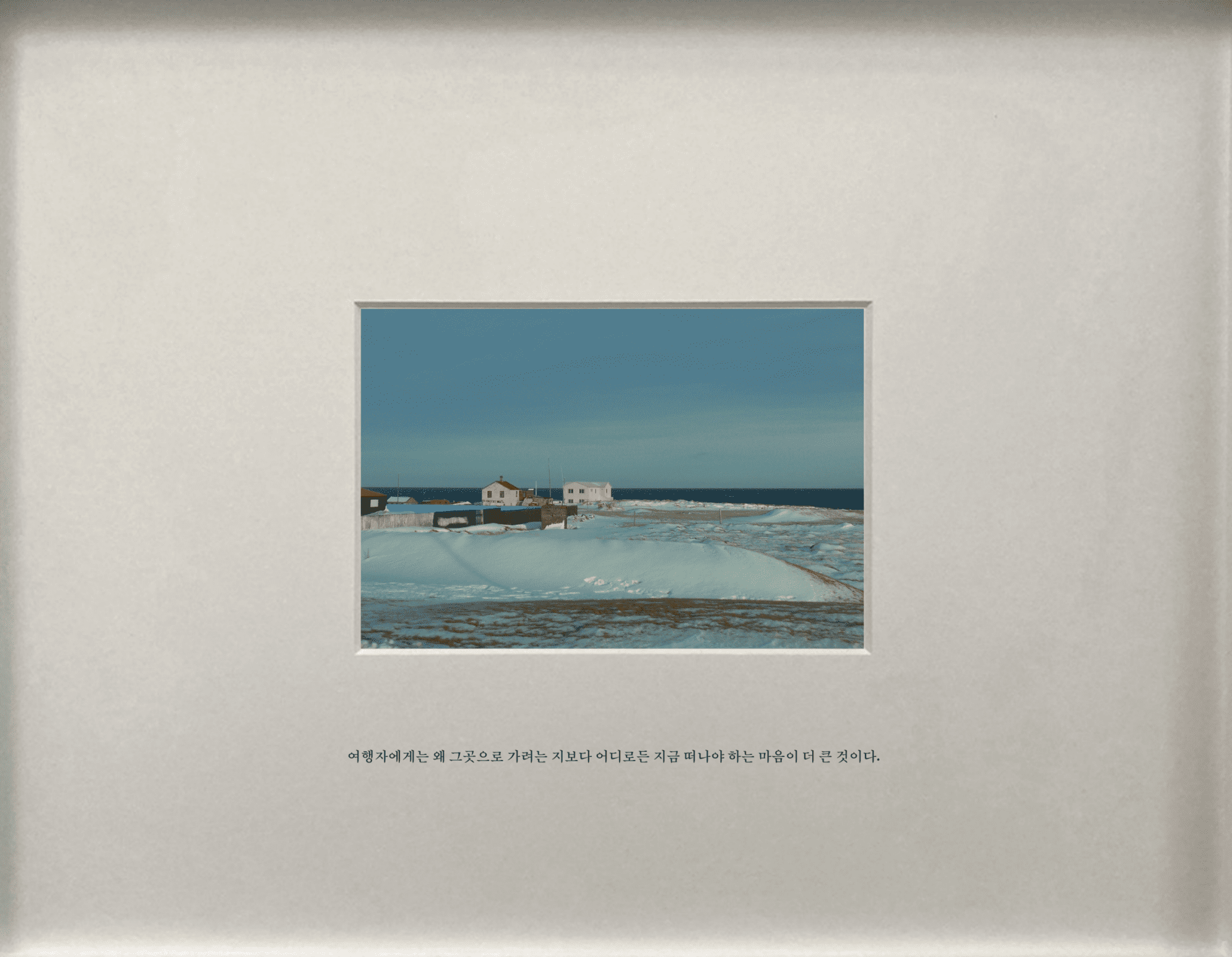
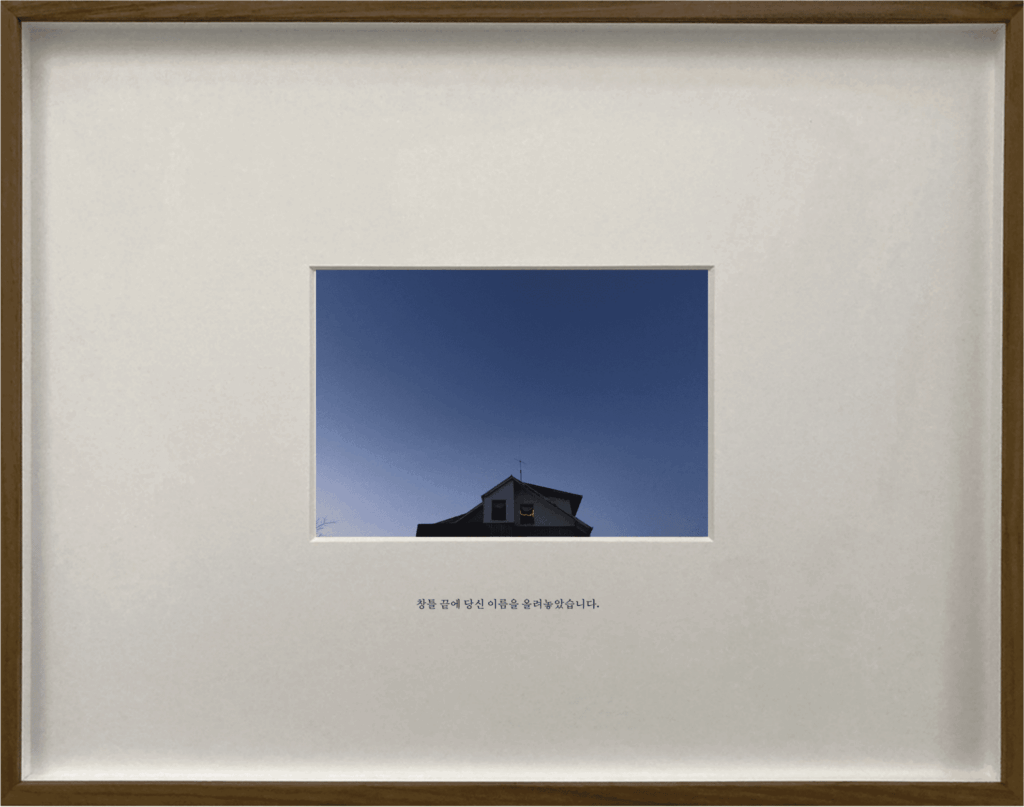
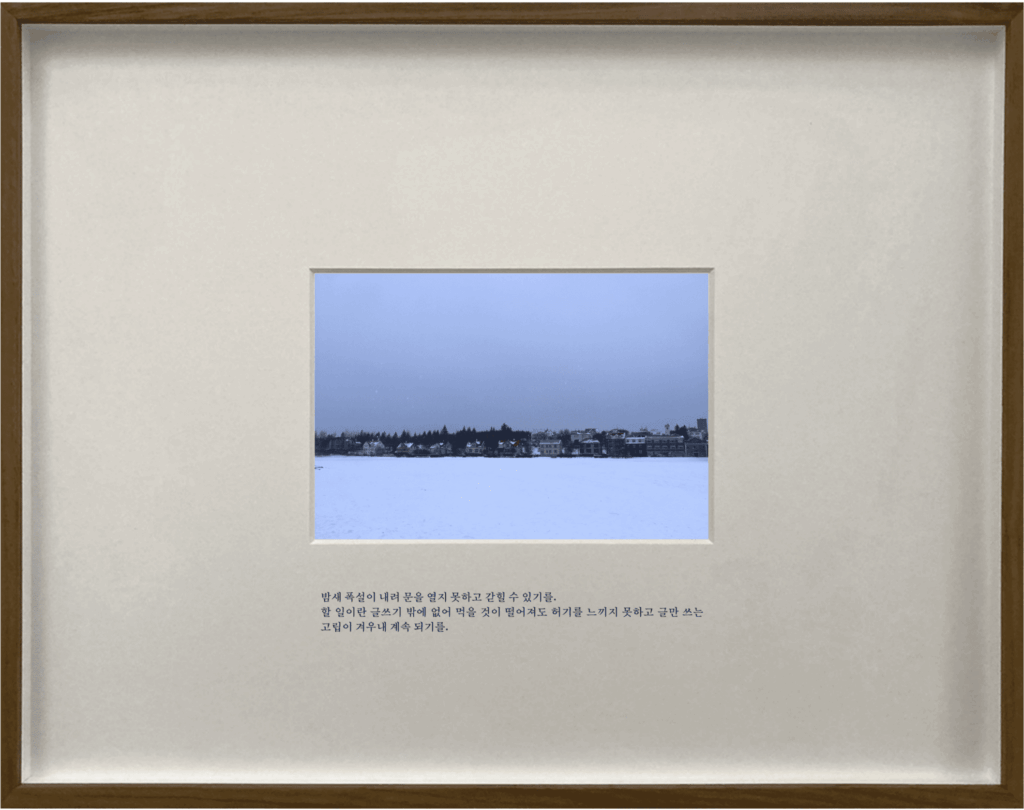
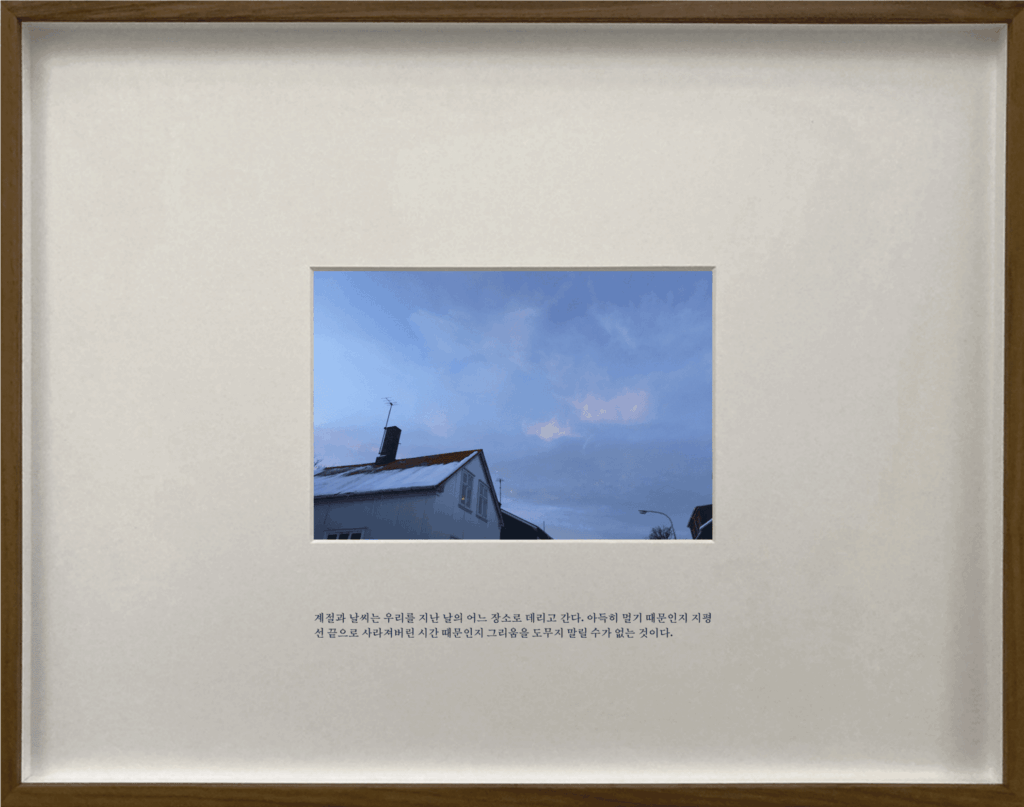
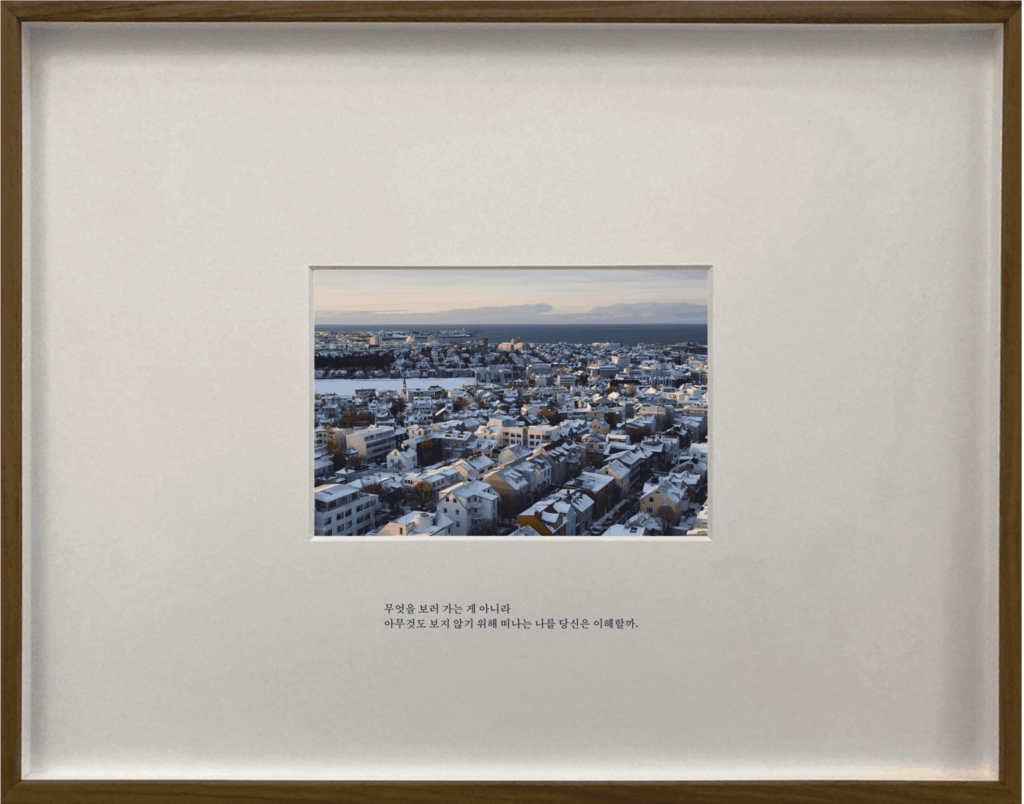
Heeseo Do is a Korean poet and multidisciplinary artist who combine diverse forms of artistic expression including text, photography, video, painting, music, and sound as needed. He is the author of the book ‘Moments of Leaving’ where he captures emotions by combining a single photograph and a single sentence. In our conversation with Heeseo, we explore his life as an artist, the challenges of creative isolation, and the influence of Korean society on his projects and artistic vision.
Repose: How would you describe what you do?
Heeseo: I am a Korean poet and an author who writes various types of texts. However, I am not a writer who only writes. I also engage in photography and drawing, often working on projects that combine visual arts. Additionally, I have worked on non-commercial films and participated in music projects. I believe that within the realm of art, there are no boundaries between different fields. However, I often feel stifled by the closed-mindedness of Korean society. For instance, a long time ago, I serialized a novel in a domestic monthly literary magazine for a year, and back then, I was asked, “A poet writes novels too?” If a poet comes up with a story for a novel, should they be forced to express it only as a poem? I am a creator who believes it is right to express one’s thoughts in the exact form they take in the mind. In that sense, I prefer to combine all forms of artistic expression including text,photography, video, painting, music, and sound as needed.
Repose: What led you to start a personal project?
Heeseo: Although it has been a long time since I debuted as a poet in Korea, I worked in the Korean film industry for a long period. Working as a member of an organization where a creator manages other creators was a job accompanied by significant self-shame. I worked at the largest entertainment company in Korea, but eventually, I let everything go and returned to being my true self who purely creates. I have come a long way. Currently, my financial situation is not as good as it was during my business days, but I feel that my current life, where only my work and I exist, is the most ideal. I have so many ideas for books, photography exhibitions, and various media collaborations, and I cannot spend the rest of my life doing other work. It will be difficult, but I only hope that I can create what I want to create as much as possible.
Repose: How did the idea for this project come about?
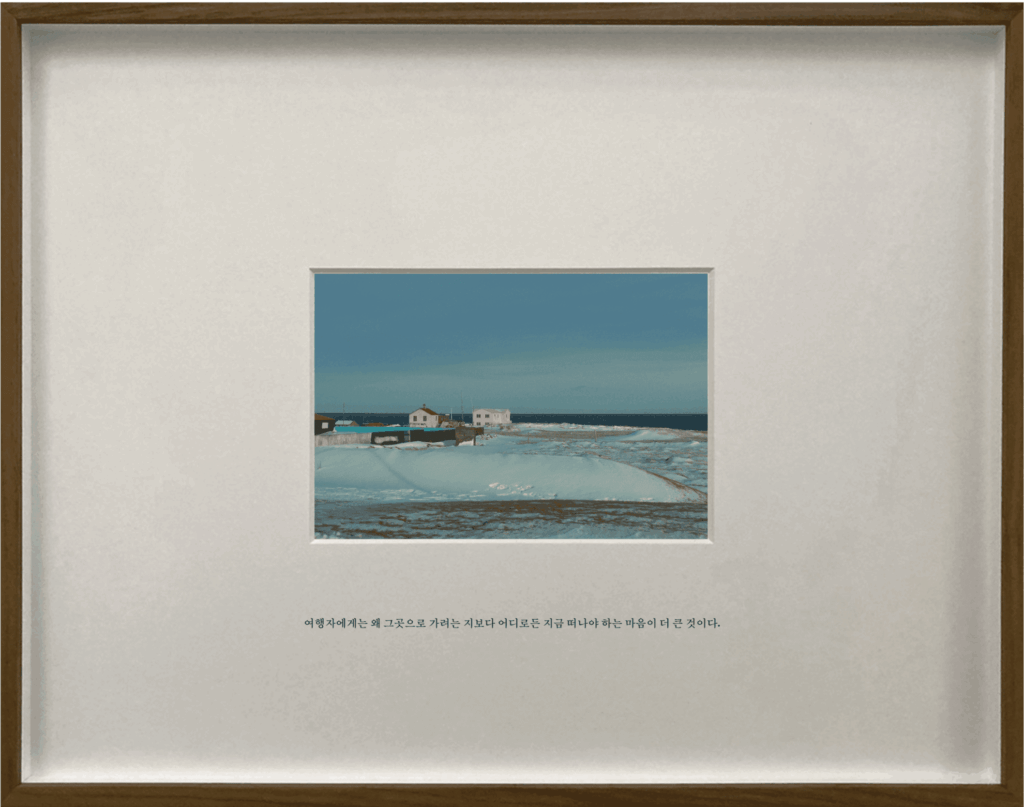
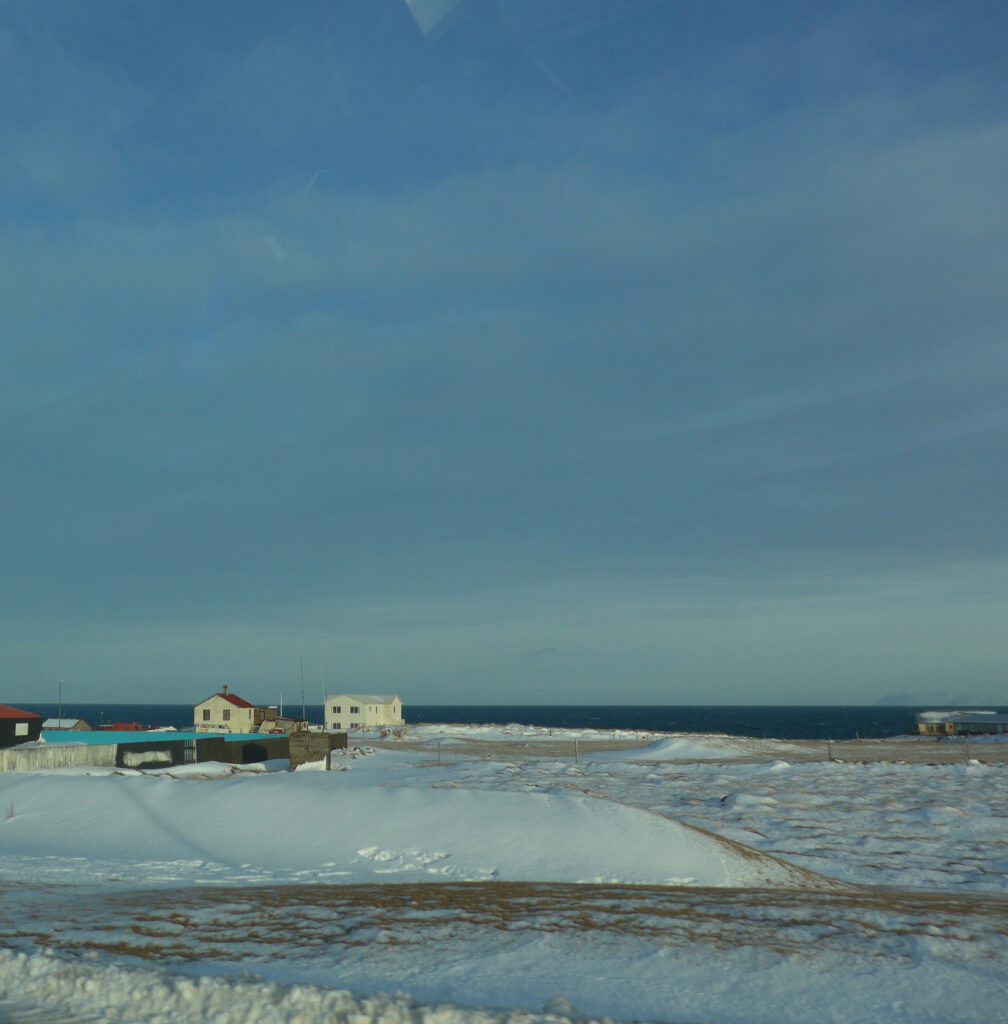
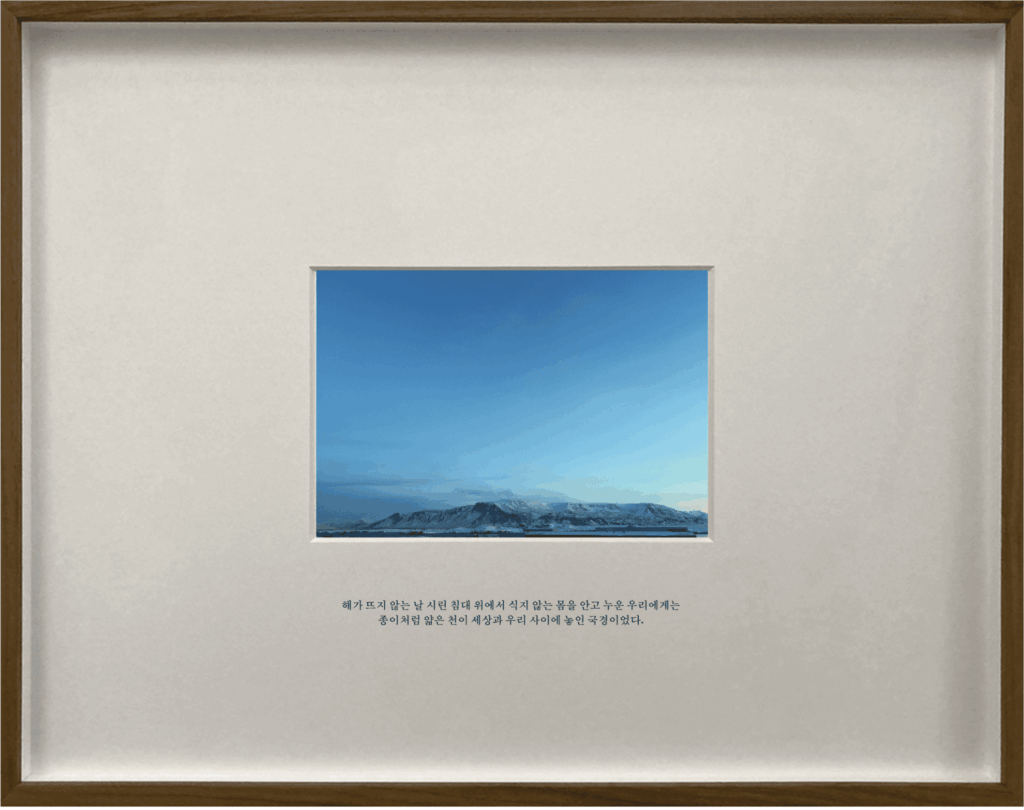
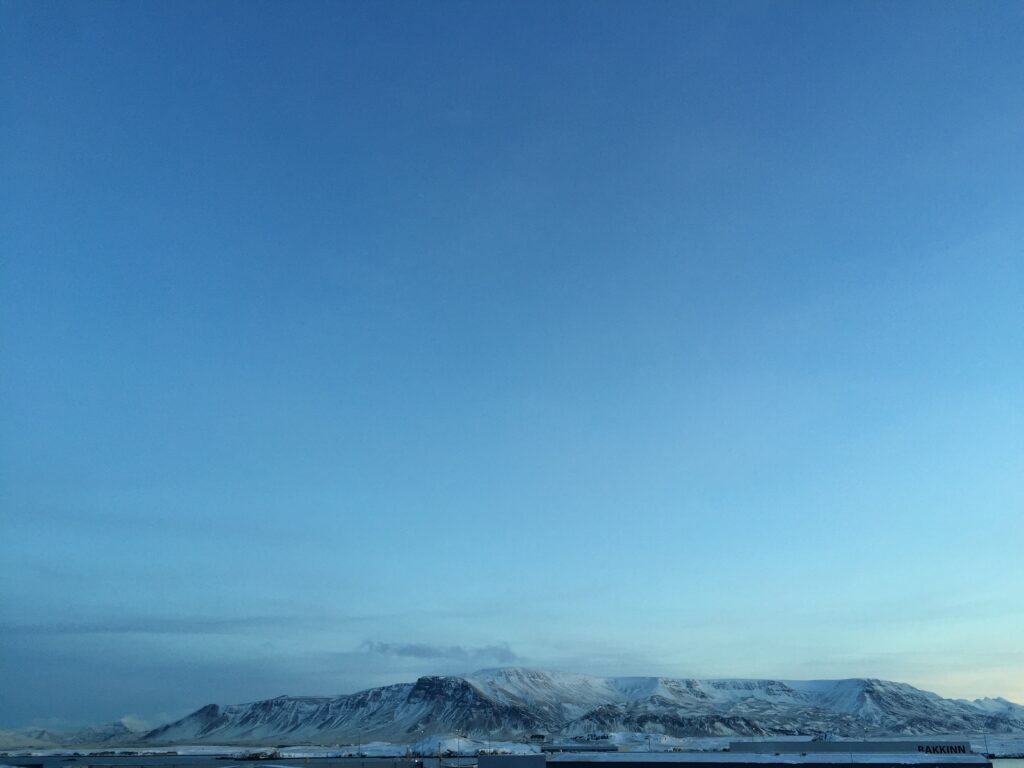
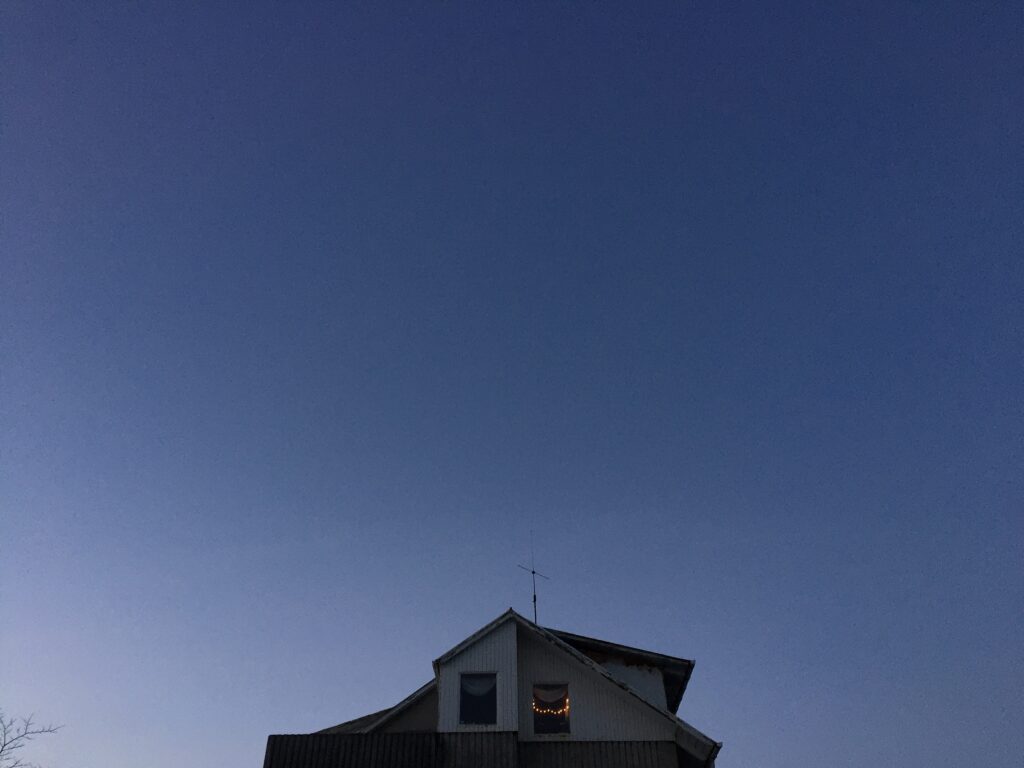
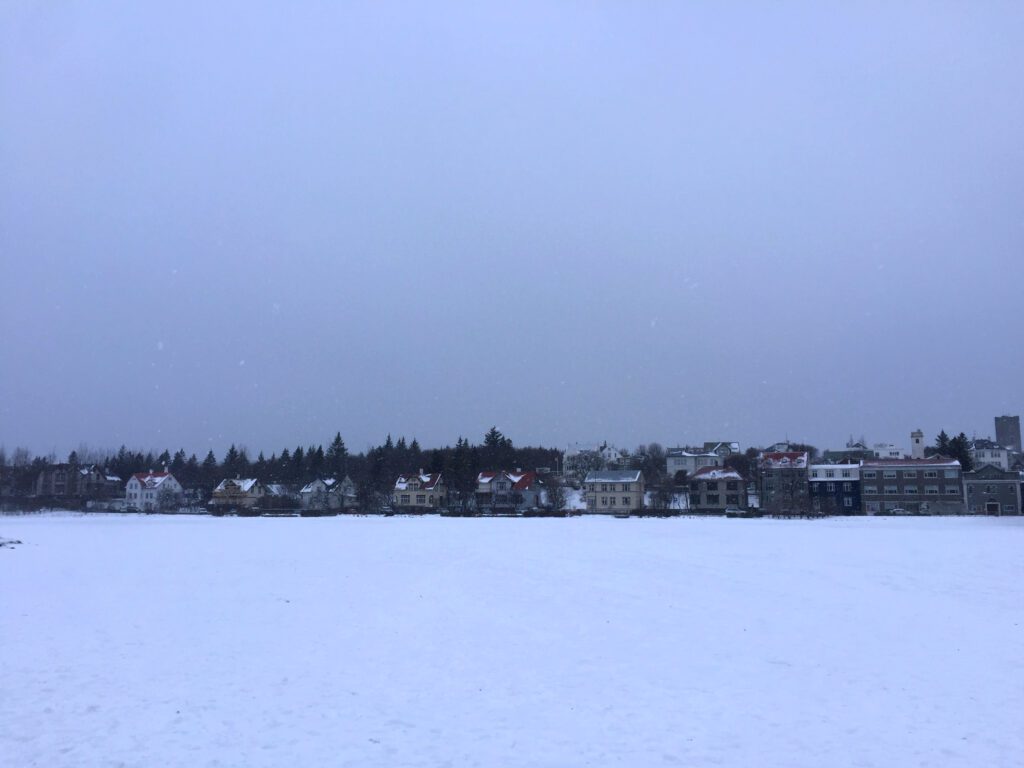
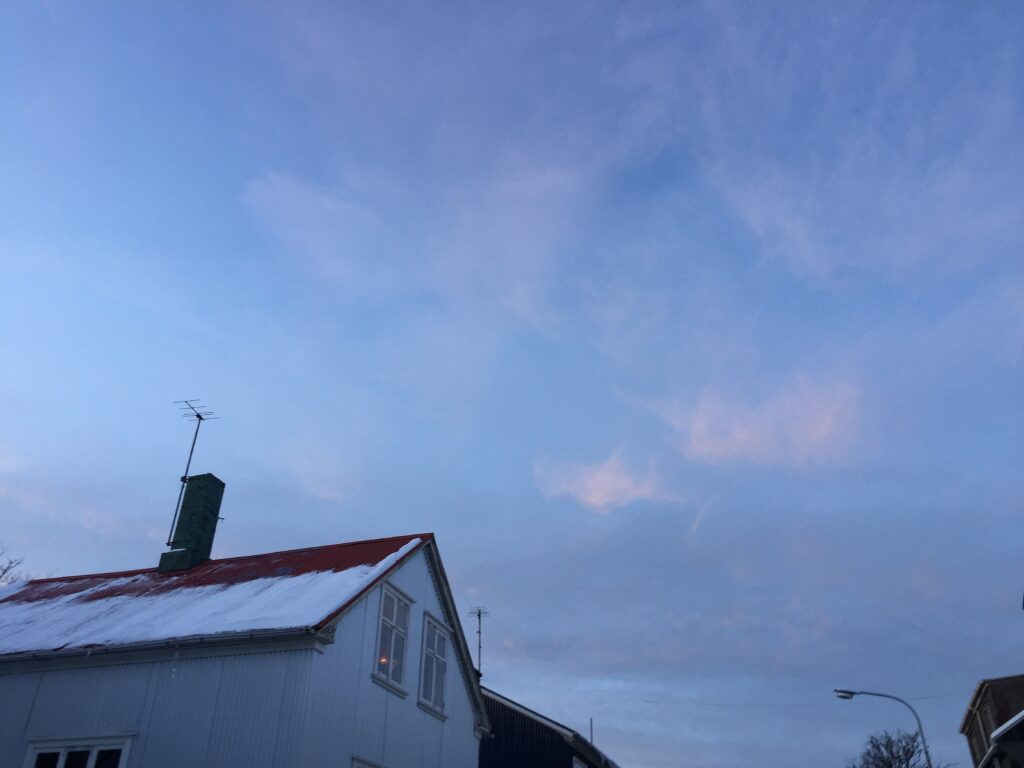
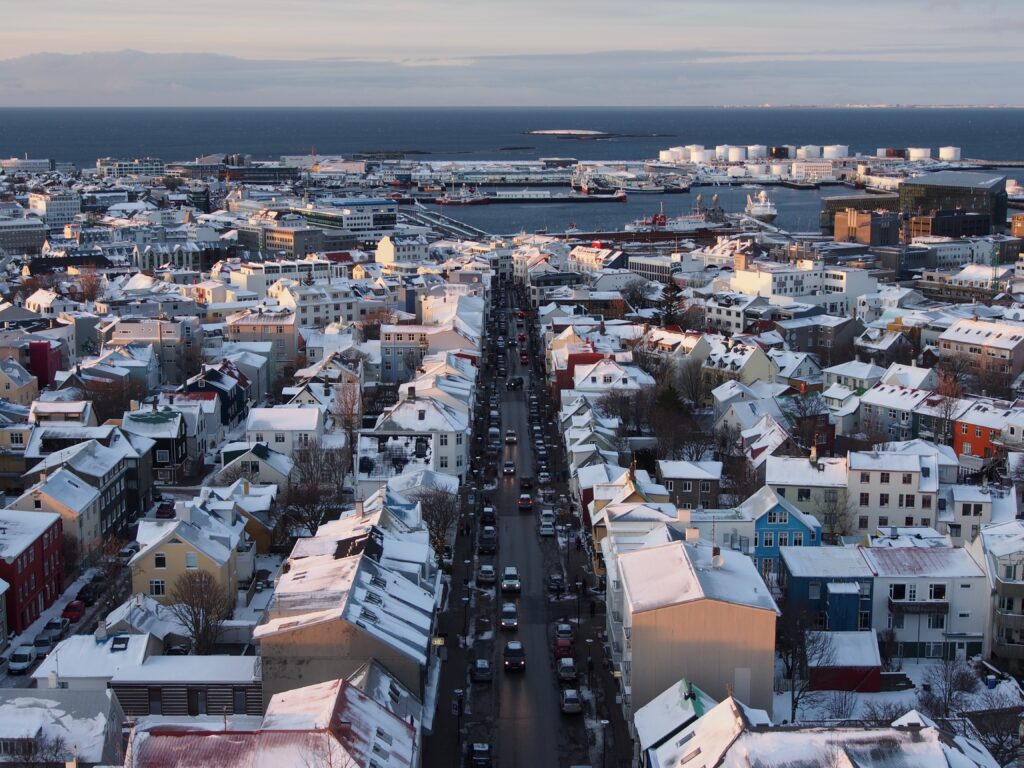
Heeseo: I am currently working on various projects. For my book work, I am always doing my personal writing as an author. And as I mentioned earlier, this year I am preparing a collection that combines music and text under the concept of “Book-Music-Book” in collaboration with a Korean jazz musician, and a picture book created in collaboration with an illustrator is scheduled to be published. Also, I am working on a fable for adults where I handle both the text and drawings. I have a new book published in 2024 titled Moments of Leaving, a collection of travel photography and sentences, and I am thinking about a sequel to this work. In the case of the fable for adults and the photo-sentence collection, I think it would be good to publish them in English first in other countries rather than Korea.
Repose: What challenges did you face when starting the project or trying to make a living from creativity?
Heeseo: It might be the reality faced by all creators worldwide, but maintaining one’s livelihood solely through one’s work is extremely difficult. I feel it is especially severe in Korean society. For someone who hasn’t inherited wealth and must navigate life 100% alone, doing art has too many realistic difficulties. Therefore, like others, I spent a lot of time trying to live by combining other work with art to make a living. However, doing so causes severe inner agony and leads to frustration and depression. So the method I chose was to not be anxious about maintaining a standard of living similar to the general public, but to downsize myself and create an environment to immerse myself in my work. That is exactly voluntary isolation and disconnection. I made the choice to change my lifestyle by downsizing the resources necessary for living so that I can maintain myself on a minimum cost of living. I am practicing it now, and while it’s not perfect yet, it allows me to live closer to a more essential life as a creator.
Repose: Do you face any challenges when communicating your project?
Heeseo: These days, with the development of social media, simply promoting things doesn’t seem that difficult. However, to active at least as an author, it’s hard to completely ignore building relationships with publishers or gallerists through traditional methods. But from a writer’s perspective, the long time spent submitting manuscripts to publishers and waiting often feels like a waste. There are many insincere publishers out there. That’s why many writers choose independent publishing, but I don’t yet have enough financial capacity to invest in independent publication. Fortunately, there are people among my Instagram followers who like my work, and their support is a great source of strength. When I release my next work, I plan to utilize social media even better.
Repose: Do you feel that the public understands the value behind it?
Heeseo: I believe that if you create a work exactly as you envisioned it, the public will generally come to understand the artist’s intention. 100% might be difficult. But that’s okay. My book published in 2024 is a book with a unique concept where photos and text become a set to convey a single emotion, so it could have been unfamiliar to the public. However, looking at the reviews from bloggers on the internet, many readers understood my intention and gave good feedback more than I expected.
Repose: Now that your project is real and up and running, do you think it still embodies the essence of the original idea?
Heeseo: That’s a good question. I always think about the essence. I believe it is the most important part of both creation and life. I also give writing lectures for the general public, and what I emphasize in class is exactly the essence. As someone who deeply contemplates the essence, I am always trying not to deviate from it in my artistic activities. Regarding the part where the concept changes, there are times when the choice of paper or printing method according to the editor’s opinion during publication is not satisfactory, but I always try to narrow the gap as much as possible. Unless it’s an independent work made with my own money, I guess that’s inevitable. However, I do not change the essential concept of the work itself. I don’t make such compromises. That’s what was agreed upon in the first place, and the producer decided to invest because they liked the concept derived from my idea. I think there can be slight adjustments to the concept in early editorial meetings, but fundamentally it cannot be changed. In the case of books, I believe there is mutual respect because even the publisher communicates carefully with the author regarding this part.
Repose: What would you tell the person you were years ago?
Heeseo: It’s late, but you’ve returned to your proper place. Don’t think it’s too late.
Repose: What excites you most about your current project? and the future?
Heeseo: I hope my fantasies will be embodied exactly as they are, and I get excited when I imagine the results. For the future, I hope I can leave behind works that give me a very high level of satisfaction.
Repose: Are there certain design philosophies that inspire you in particular?
Heeseo: I believe that every part of life and every field of art exists within the grand concept of design. Perhaps that’s why I am sensitive to design in all areas. When I look at spaces, daily necessities, streets, buildings, stationery, etc., I feel disappointed if the design is not to my liking. Especially, designs of public institutions are often pathetic. Regarding my design philosophy, an overall sense of balance is important. For example, in a space, I value the impression coming from the overall composition through delicate arrangement rather than individual things. Also, I like design that prioritizes function and design that gives an impression through details. I also like minimalist aesthetics.
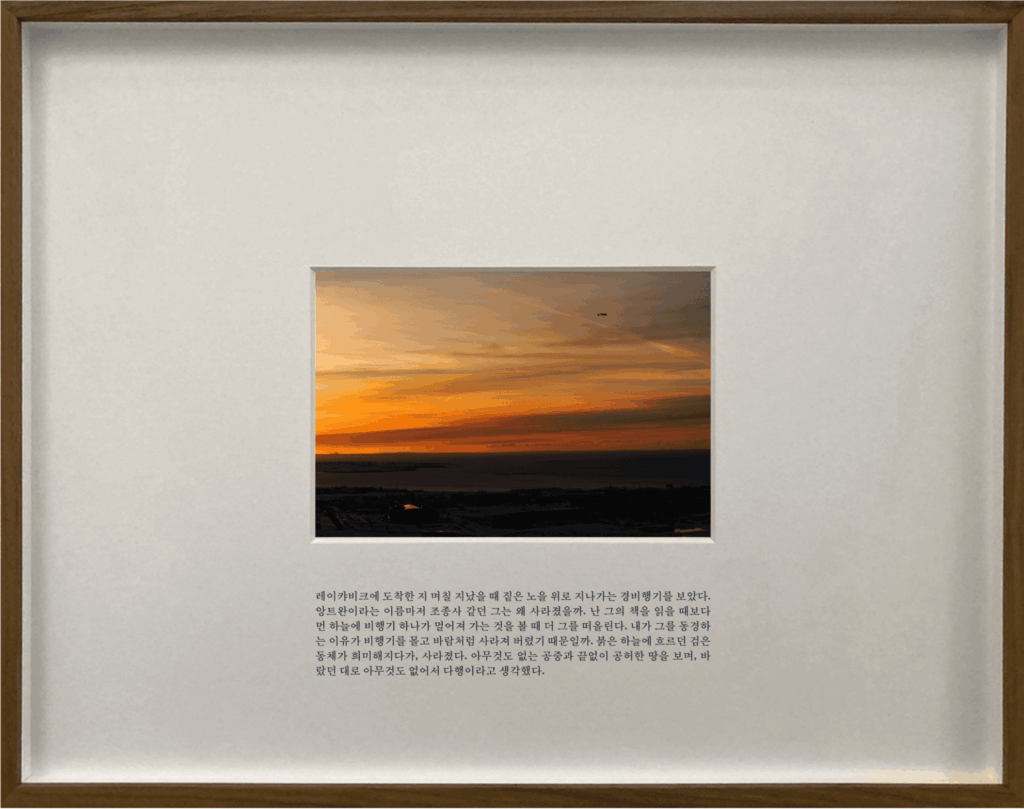

Repose Archive is a creative direction journal documenting processes and projects across art, design, architecture, and hospitality. As designers, we interview creative minds and explore their creations. Photography credits: Heeseo Do.